Tuesday, April 2, 2024

ULTIMATE GUIDE TO RULE 800 GPH BILGE PUMPS


Bilge pumps play a crucial role in maintaining the safety and integrity of a boat or any marine vessel. One popular and reliable option in the market is the Rule 800 GPH Bilge Pump. In this comprehensive guide, we will delve into the basics of bilge pumps, explore the features and specifications of the Rule 800 GPH model, provide a step-by-step installation guide, offer tips for maintenance and troubleshooting, and compare the Rule 800 GPH with other bilge pump models.

UNDERSTANDING THE BASICS OF BILGE PUMPS

WHAT IS A BILGE PUMP?

Before we dive into the specifics of the Rule 800 GPH Bilge Pump, it is essential to understand the fundamental concept of bilge pumps. A bilge pump is a device designed to remove water or other liquids that collect in the bilge of a boat or ship. The bilge is the lowest compartment of a vessel, often prone to water accumulation due to various factors such as leaks, rain, or even wave motion.

It is important to note that there are different types of bilge pumps available, ranging from manual hand pumps to automatic electric pumps. Each type serves a specific purpose and is chosen based on the size of the vessel, the amount of water expected in the bilge, and the level of automation desired by the boat owner.

IMPORTANCE OF BILGE PUMPS IN MARINE SAFETY

The significance of bilge pumps in maintaining marine safety cannot be overstated. Without an efficient bilge pump system, even a small amount of water in the bilge can lead to detrimental consequences, including instability, electrical failures, and sinking. Bilge pumps not only help prevent such hazards but also play a critical role in maintaining buoyancy and stability of the vessel.

Furthermore, modern bilge pump systems often come equipped with sensors and alarms to alert the boat operator of any water accumulation in the bilge. This early warning system is crucial in preventing potential disasters at sea and allows for timely intervention to address any water ingress issues.


EXPLORING THE RULE 800 GPH BILGE PUMP

When it comes to marine equipment, the Rule 800 GPH Bilge Pump stands out as a reliable and efficient choice for boat owners and marine enthusiasts alike. This pump is not just a piece of equipment; it is a crucial component that helps safeguard your vessel against potential water damage. With its impressive capacity to handle up to 800 gallons of water per hour, this pump is a powerhouse in water removal, giving you peace of mind during your boating adventures.

KEY FEATURES OF RULE 800 GPH BILGE PUMP

The Rule 800 GPH Bilge Pump boasts an array of features that make it a top choice for boat owners and marine enthusiasts. With a powerful 12-volt motor, it can effectively handle up to 800 gallons of water per hour. This pump features a compact design, making it easy to install in tight spaces. Its efficient and reliable operation ensures effective water removal, reducing the risk of flooding and damage to your vessel.

Moreover, the Rule 800 GPH Bilge Pump is not just about power; it also prioritizes convenience. Its compact design allows for versatile installation options, ensuring that you can fit it into various configurations on your boat. The pump's robust construction and high-quality materials guarantee longevity and performance, even in demanding marine environments.

TECHNICAL SPECIFICATIONS

Let's take a closer look at the technical specifications of the Rule 800 GPH Bilge Pump. This pump is designed for use in 3/4 inch (19mm) or 1-1/8 inch (28.5mm) hose sizes. It features a compact, non-automatic design, meaning it requires manual activation. The Rule 800 GPH Bilge Pump incorporates high-quality materials such as marine-grade stainless steel shafts and rugged thermoplastic bodies, ensuring longevity and durability.

INSTALLATION GUIDE FOR RULE 800 GPH BILGE PUMP

TOOLS REQUIRED FOR INSTALLATION

Prior to installing the Rule 800 GPH Bilge Pump, gather the necessary tools to ensure a smooth and hassle-free process. You will need a drill with a suitable bit, wire cutters or strippers, soldering iron, electrical tape, heat shrink tubing (if needed), screwdriver, and marine-grade sealant. It is crucial to ensure that all installations adhere to the manufacturer's guidelines and any local regulations.

Additionally, it's recommended to have a voltage tester on hand to ensure the power source is properly identified before beginning the installation process. This will help prevent any electrical mishaps and ensure a safe installation.

STEP-BY-STEP INSTALLATION PROCESS

Now, let's walk through the installation process step by step to ensure proper setup of the Rule 800 GPH Bilge Pump. Begin by selecting an appropriate location for installation that allows easy access to the bilge. Use the drill to create necessary holes and mount the pump securely. Connect the necessary wiring, ensuring proper connections and waterproofing with marine-grade sealant. Test the pump and ensure it operates smoothly before finalizing the installation process.

Remember to secure any loose wiring and ensure that the pump is securely fastened to prevent any vibrations or movement during operation. Proper installation is key to the longevity and effectiveness of the Rule 800 GPH Bilge Pump.


MAINTENANCE AND TROUBLESHOOTING OF RULE 800 GPH BILGE PUMP

When it comes to ensuring the longevity and optimal performance of your Rule 800 GPH Bilge Pump, incorporating routine maintenance practices is key. Beyond just the basic upkeep, diving deeper into the maintenance process can significantly enhance the pump's efficiency and durability. In addition to cleaning the pump and inspecting for wear and tear, consider flushing out the system with fresh water to remove any accumulated debris or residue that could impede its functionality over time.

Furthermore, exploring the inner workings of the pump can unveil insights into its performance. Taking the time to disassemble the pump (following manufacturer guidelines) and inspecting each component can provide valuable information on areas that may require extra attention. This hands-on approach not only allows for a more thorough maintenance routine but also fosters a deeper understanding of the pump's mechanics.

ROUTINE MAINTENANCE TIPS

To maximize the lifespan and performance of your Rule 800 GPH Bilge Pump, regular maintenance is essential. Cleaning the pump regularly, checking for any signs of wear or damage, and replacing worn-out parts are simple yet crucial maintenance tasks. Additionally, it is advisable to test the pump periodically to ensure it is operating efficiently, as well as inspecting the electrical connections and wiring for any potential issues.

COMMON ISSUES AND THEIR SOLUTIONS

Despite their reliability, bilge pumps may face occasional issues. It is vital to be aware of common problems and their solutions to minimize any potential downtime. Some common issues that may arise include clogging due to debris, electrical failures, and excessive noise. In such cases, clearing any blockages, checking electrical connections, and lubricating moving parts can often resolve the problems.


COMPARING RULE 800 GPH BILGE PUMP WITH OTHER MODELS

RULE 800 GPH VS. 500 GPH BILGE PUMPS

When it comes to choosing the right bilge pump for your vessel, comparing different models can be helpful. Let's compare the Rule 800 GPH with the 500 GPH bilge pump model. The Rule 800 GPH offers higher pumping capacity, making it suitable for larger boats or those with higher water accumulation rates. However, the 500 GPH model may be more suitable for smaller vessels or situations where lower pumping capacity is sufficient.

RULE 800 GPH VS. 1100 GPH BILGE PUMPS

Another important comparison is between the Rule 800 GPH and the 1100 GPH bilge pump models. While both models serve their purposes well, the Rule 800 GPH strikes a balance between pumping capacity and power consumption. If energy efficiency is a priority, the Rule 800 GPH is an excellent choice. However, for boats requiring higher pumping capacity, the 1100 GPH model may be more suitable.


Now, let's delve deeper into the features and specifications of the Rule 800 GPH Bilge Pump. This pump is designed with a durable and corrosion-resistant housing, ensuring its longevity even in harsh marine environments. Its compact size allows for easy installation in tight spaces, making it a convenient choice for boat owners. The Rule 800 GPH also features a built-in float switch, which automatically activates the pump when the water level reaches a certain point, providing efficient and reliable operation.

In addition to its exceptional performance, the Rule 800 GPH Bilge Pump is equipped with a robust motor that delivers consistent and powerful pumping action. This ensures that water is efficiently removed from the bilge, keeping your boat dry and safe. The pump's efficient design minimizes power consumption, allowing for extended battery life and reducing the strain on your vessel's electrical system.

Furthermore, the Rule 800 GPH Bilge Pump is backed by a reputable manufacturer with a long history of producing high-quality marine products. This ensures that you are investing in a reliable and trusted brand that stands behind its products. With proper installation and regular maintenance, the Rule 800 GPH Bilge Pump will provide years of dependable service, giving you peace of mind while out on the water.

In conclusion, the Rule 800 GPH Bilge Pump offers a reliable and efficient solution for maintaining marine safety and preventing water accumulation in the bilge of your boat. By understanding the basics of bilge pumps, exploring the features and specifications of the Rule 800 GPH model, following the installation guide, and implementing proper maintenance practices, you can ensure the optimal performance of your bilge pump system. Moreover, comparing the Rule 800 GPH with other models enables you to make an informed decision that suits your vessel's requirements.

Monday, March 11, 2024

THE BEST MARINE BLUETOOTH RADIO FOR YOUR BOAT


Technology has revolutionized many aspects of our lives, and boating is no exception. One of the most exciting developments in the marine industry is the advent of marine Bluetooth radios. These compact and versatile devices allow boat owners to enjoy their favorite music while out on the water, enhancing the boating experience to a whole new level. In this article, we will explore the importance of having a marine Bluetooth radio on your boat, key features to look for when choosing one, top brands in the market, installation and maintenance tips, and answers to common questions about these cutting-edge devices.

UNDERSTANDING THE IMPORTANCE OF A MARINE BLUETOOTH RADIO

There is nothing quite like cruising along the water, wind in your hair, and your favorite tunes playing in the background. A marine bt radio enables you to enjoy music from various sources, including your smartphone, tablet, or music streaming services. Not only does it add an element of entertainment to your boating adventure, but it also helps create a vibrant and lively atmosphere on board.

Imagine setting sail on a bright sunny day, the gentle sound of waves lapping against the hull of your boat, and the perfect song playing through your marine Bluetooth radio. The seamless connection between your devices and the radio allows you to control the music effortlessly, ensuring that every moment on the water is accompanied by the soundtrack of your choice.

ENHANCING YOUR BOATING EXPERIENCE WITH MUSIC

Music has a unique ability to set the mood and enhance our experiences. Whether you're hosting a party on your boat or simply relaxing with friends and family, having a marine Bluetooth radio allows you to curate the perfect playlist for every occasion. From upbeat tunes to enhance the energy onboard to relaxing melodies to accompany peaceful sunsets, the possibilities are endless.

Furthermore, many marine Bluetooth radios come equipped with advanced sound systems that deliver high-quality audio even in the challenging acoustics of a boat. This means that whether you're cruising at high speeds or anchored in a quiet cove, you can enjoy crystal-clear sound that elevates your boating experience to new heights.

SAFETY FEATURES OF MARINE RADIOS

Aside from the entertainment factor, marine Bluetooth radios also offer important safety features. These radios are equipped with weather alerts and emergency channels, keeping you informed about any potential hazards while you're out on the water. Staying connected and aware of changing weather conditions or emergency situations can significantly enhance your boating safety.

In addition, some marine BT radios are designed to be water-resistant or even waterproof, ensuring that they can withstand the marine environment without compromising functionality. This durability means that you can enjoy your music worry-free, knowing that your radio is built to handle the rigors of life at sea.

KEY FEATURES TO LOOK FOR IN A MARINE BLUETOOTH RADIO

When selecting the best marine Bluetooth radio for your boat, there are several key features to consider. These features ensure that your radio can withstand the harsh marine environment while delivering exceptional performance and functionality.

But let's dive deeper into these features and explore some additional factors that can enhance your boating experience.

WATER AND WEATHER RESISTANCE

A top priority when choosing a marine Bluetooth radio is ensuring its water and weather resistance capabilities. Look for radios that are specifically designed for marine use, with features like waterproof or water-resistant enclosures, sealed buttons, and corrosion-resistant materials. These features ensure that your radio remains functional and protected against moisture, salt, and extreme weather conditions.

Moreover, consider the Ingress Protection (IP) rating of the radio. The IP rating provides information about the radio's resistance to dust and water. For example, an IPX7 rating means that the radio can withstand being submerged in water up to 1 meter for 30 minutes. This level of protection gives you peace of mind, knowing that your radio can handle unexpected splashes or rain showers.

SOUND QUALITY AND VOLUME CONTROL

Nothing dampens the listening experience more than poor sound quality. Opt for a marine Bluetooth radio that offers high-quality audio output, even in noisy boating environments. Look for features like advanced digital signal processing (DSP) technology, which enhances the sound and minimizes distortion.

Additionally, a radio with easy-to-use volume control will allow you to adjust the sound level to your preference, ensuring a pleasurable listening experience for everyone on board. Some radios even offer separate volume controls for different zones, allowing you to customize the audio levels in different areas of your boat. So whether you're relaxing on the deck or enjoying water sports, you can always find the perfect balance of sound.

BLUETOOTH AND CONNECTIVITY OPTIONS

An essential feature of marine Bluetooth radios is their ability to connect wirelessly to your devices. Look for radios that support the latest Bluetooth technology for seamless pairing with your smartphone or other Bluetooth-enabled devices. This ensures that you can easily stream your favorite music or podcasts while out on the water.

But what if you have a non-Bluetooth device? Well, consider radios that offer auxiliary ports or USB inputs for wired connections. This gives you multiple options for playing your favorite music, whether it's through Bluetooth or a direct connection. Some radios even have built-in CD players or AM/FM tuners, providing you with even more versatility.

Furthermore, some marine Bluetooth radios come with additional connectivity options like Wi-Fi or SiriusXM compatibility. These features expand your entertainment possibilities, allowing you to access online streaming services or listen to satellite radio while cruising along the coast.

So, when choosing a marine Bluetooth radio, remember to consider not only the water and weather resistance, sound quality, and connectivity options but also the IP rating, advanced DSP technology, separate volume controls, and additional connectivity features. By taking these factors into account, you can ensure that your radio not only meets your basic needs but also enhances your boating experience to the fullest.

TOP MARINE BLUETOOTH RADIO BRANDS

Not all marine Bluetooth radios are created equal. Some brands have established themselves as market leaders, renowned for their exceptional quality, durability, and performance. Let's take a closer look at two of the top brands dominating the marine Bluetooth radio industry.

REVIEWING THE MARKET LEADERS

Brand A and Brand B have consistently received rave reviews from boat owners and industry professionals alike. Their commitment to innovation, reliability, and customer satisfaction sets them apart from the competition. Both brands offer a wide range of marine Bluetooth radios, catering to various budgets and preferences.

Brand A, with its sleek design and cutting-edge technology, has become a favorite among boating enthusiasts who value premium quality and top-notch performance. Their marine Bluetooth radios are known for delivering crystal-clear sound even in the harshest marine environments, ensuring a truly immersive listening experience while out on the water.

On the other hand, Brand B takes pride in its user-friendly interface and affordability, making high-quality marine Bluetooth radios accessible to a wider audience. Boaters looking for a reliable audio system that doesn't break the bank often turn to Brand B for their innovative yet budget-friendly options. Despite their lower price point, Brand B's products are built to withstand the rigors of marine use, providing boaters with peace of mind and exceptional value.

COMPARING PRICE AND PERFORMANCE

When comparing marine Bluetooth radios, it's important to consider both the price and the performance. While Brand A's premium offerings may come with a higher price tag, they often deliver unparalleled audio quality and robust features. Boaters who prioritize top-of-the-line performance and cutting-edge technology are willing to invest in Brand A's products for a superior audio experience on the water.

Conversely, Brand B focuses on providing affordable options without compromising on performance, making them an excellent choice for boaters on a budget. Their commitment to delivering reliable and high-performing marine Bluetooth radios at a competitive price point has earned them a loyal following among cost-conscious consumers who seek quality without breaking the bank.

INSTALLATION AND MAINTENANCE TIPS FOR YOUR MARINE RADIO

Installing and maintaining your marine Bluetooth radio properly is crucial to ensure its longevity and optimal performance. Here are some step-by-step tips for installing your radio and maintaining it for years of trouble-free usage.

STEP-BY-STEP INSTALLATION GUIDE

1. Choose the ideal location for your radio, considering factors such as accessibility, visibility, and protection from the elements.2. Connect the power supply to your radio, following the manufacturer's instructions carefully.3. Mount the radio securely using the provided hardware.4. Connect the speakers to the radio, ensuring proper wiring and polarity.5. Test the radio for functionality and sound quality before securing all cables and completing the installation.

KEEPING YOUR RADIO IN OPTIMAL CONDITION

Maintenance plays a vital role in extending the lifespan of your marine Bluetooth radio. Regularly clean the outer casing and buttons using a mild detergent and soft cloth. Avoid using abrasive cleaners or solvents that could damage the radio's surface. Additionally, perform routine checks on the wiring connections, ensuring tightness and corrosion prevention. Finally, protect your radio from extreme temperatures and direct sunlight when not in use to prevent premature deterioration.

FREQUENTLY ASKED QUESTIONS ABOUT MARINE BLUETOOTH RADIOS

As with any technology, doubts and questions may arise when considering a marine Bluetooth radio for your boat. Let's address some common queries that boat owners often have.

TROUBLESHOOTING COMMON ISSUES

1. "My Bluetooth radio is not connecting to my smartphone. What should I do?"Ensure both devices have Bluetooth functionality enabled and are within the recommended range. Turn off and on the Bluetooth settings on both devices and attempt to reconnect.2. "The sound from my radio is distorted. How can I fix this?"Check the speaker wiring for any loose connections or damage. Adjust the volume level and audio balance on the radio. If the issue persists, consult the radio's user manual for further troubleshooting steps.

UPGRADING AND ACCESSORY OPTIONS

1. "Can I upgrade my existing marine radio to a Bluetooth-enabled one?"If your current marine radio supports auxiliary or USB inputs, you can consider purchasing a Bluetooth adapter or module to add wireless functionality. Consult your radio's manufacturer or a marine electronics professional for compatibility and installation advice.2. "Are there any accessories that can enhance my marine radio's capabilities?"Yes! Consider accessories such as marine-grade speakers, remote controls, or amplifiers to further elevate your audio experience on the water. Ensure that any accessories you choose are specifically designed for marine use, with appropriate protection against the elements.

Now that you have a comprehensive understanding of the importance of marine Bluetooth radios, key features to look for when choosing one, top brands in the market, installation and maintenance guidelines, and answers to common questions, you are well-equipped to find the best marine bt radio for your boat. Embrace the power of music and technology, and embark on unforgettable boating adventures with your favorite tunes as your soundtrack. Bon voyage!

Thursday, October 26, 2023

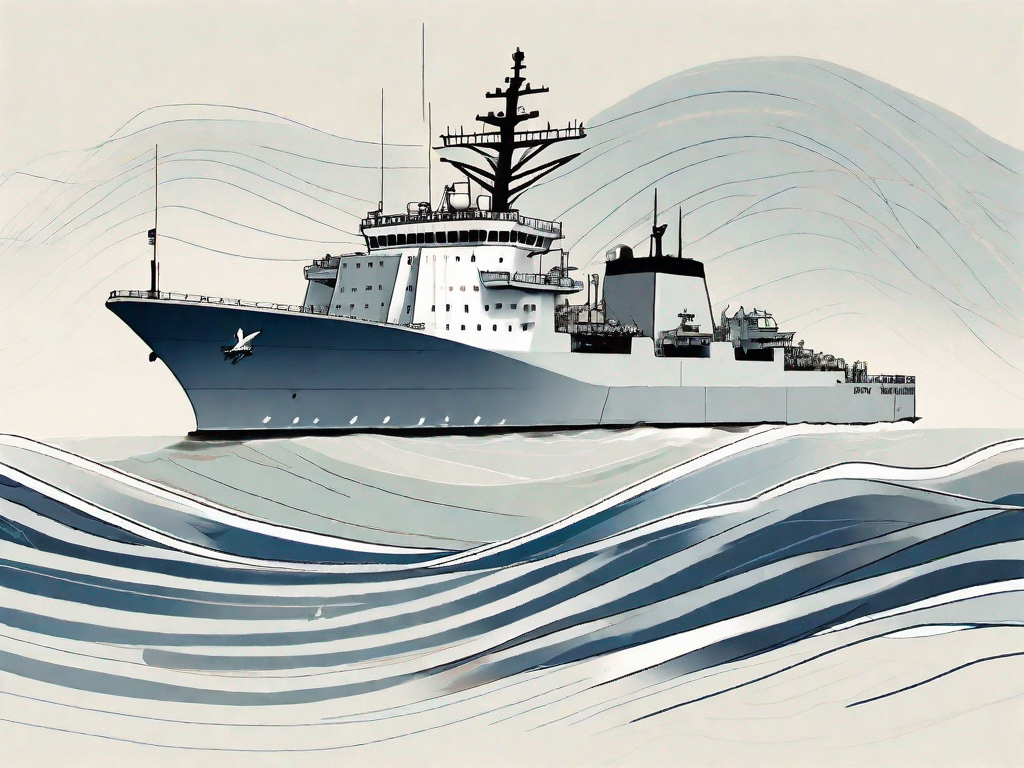
WHAT IS THE MINIMUM DISTANCE REQUIRED TO MAINTAIN FROM A US NAVAL VESSEL


What Is the Minimum Distance Required to Maintain from a US Naval Vessel

Naval operations are crucial for maritime security and ensuring safe navigation. To protect the interests of the United States, naval vessels require a minimum distance to be maintained by other vessels in their vicinity. This article aims to provide a comprehensive understanding of the minimum distance required from a US Naval vessel, as well as the legal provisions, determining factors, safety measures for civilian vessels, and the role of the Coast Guard in enforcing the distance rule.

UNDERSTANDING THE CONCEPT OF NAVAL PROTECTIVE ZONES

The concept of Naval Protective Zones establishes designated areas around US Naval vessels where limitations are imposed on the proximity of other vessels. These zones allow the Navy to safeguard its operations, protect personnel, and preserve the integrity of the vessel itself. By defining clear boundaries, naval authorities can maintain situational awareness and respond effectively to potential threats.

DEFINITION OF NAVAL PROTECTIVE ZONES

A Naval Protective Zone can be defined as a predetermined area wherein specific instructions are mandated for approaching or remaining near a US Naval vessel. The size and shape of the zone may vary depending on the circumstances, such as the vessel's size, operational functions, and the threat level in the surrounding area.

When determining the size of a Naval Protective Zone, various factors are taken into consideration. For instance, larger vessels may require a larger zone to ensure their safety and maneuverability. Additionally, the operational functions of the vessel play a role in defining the zone. If the vessel is engaged in sensitive operations, such as missile testing or intelligence gathering, a larger zone may be necessary to maintain secrecy and protect national security.

The threat level in the surrounding area is another crucial factor in determining the size and shape of a Naval Protective Zone. In high-risk areas, such as conflict zones or regions with a history of piracy, the zone may be expanded to provide an extra layer of security. On the other hand, in relatively peaceful areas, the zone may be smaller, allowing for more flexibility in maritime activities.

IMPORTANCE OF NAVAL PROTECTIVE ZONES

The establishment of Naval Protective Zones serves several crucial purposes. Firstly, it ensures the safety of naval personnel. By maintaining an appropriate distance, the risk of collision or accidental damage to the naval vessel is minimized. The zone acts as a buffer, providing a safe space for the vessel to operate without the constant threat of nearby vessels.

Furthermore, these zones act as a deterrent against potential threats. The visible presence of a Naval Protective Zone sends a clear message to unauthorized vessels or those with hostile intentions that their actions will not be tolerated. This deterrent effect helps to maintain the security and integrity of the naval vessel and its mission.

Moreover, by providing a clear framework for interaction, Naval Protective Zones help prevent misunderstandings or miscommunication between naval vessels and civilian counterparts. The rules and regulations associated with the zone ensure that all parties involved understand their roles and responsibilities, reducing the risk of accidental encounters or conflicts at sea.

In addition to enhancing safety and security, Naval Protective Zones also contribute to overall maritime safety. By establishing clear boundaries and guidelines, these zones help prevent congestion and ensure the smooth flow of maritime traffic. This is particularly important in busy waterways or areas where multiple naval vessels and civilian ships coexist.

Furthermore, the establishment of Naval Protective Zones fosters cooperation and coordination between military and civilian stakeholders. By clearly delineating the boundaries and expectations, naval authorities can work together with civilian authorities to ensure the safety and security of all parties involved.

In conclusion, Naval Protective Zones play a crucial role in safeguarding US Naval vessels and personnel. By defining clear boundaries and guidelines, these zones enhance safety, deter potential threats, and promote cooperation between military and civilian stakeholders. The importance of these zones cannot be overstated, as they contribute to the overall maritime safety and security of the United States and its allies.

LEGAL PROVISIONS FOR APPROACHING US NAVAL VESSELS

Several legal provisions are in place to regulate the approach and proximity of vessels to US Naval vessels. These provisions include federal laws and regulations, as well as international maritime laws to which the United States is a signatory.

Ensuring the safety and security of US Naval vessels is of paramount importance. To achieve this, the United States has implemented a comprehensive set of laws and regulations that govern the approach of vessels to Naval vessels. These legal provisions not only protect the national security interests of the country but also create a secure operating environment for Naval operations.

FEDERAL LAWS AND REGULATIONS

The United States Code (USC) contains several provisions that outline the minimum distance requirements concerning Naval Protective Zones. These laws, established under the authority of the federal government, aim to safeguard the integrity and operational capabilities of Naval vessels.

One such provision is the Naval Protective Zone Act, which establishes a restricted area around Naval vessels. This act prohibits vessels from approaching within a certain distance of a Naval vessel without proper authorization. The exact distance varies depending on the size and type of the Naval vessel, as well as the specific circumstances of the situation.

Violations of these federal laws and regulations can have serious consequences. Penalties for unauthorized approach or proximity to Naval vessels can range from fines to imprisonment, depending on the severity of the offense. These strict measures serve as a deterrent, ensuring compliance with the established regulations and maintaining the safety and security of Naval operations.

INTERNATIONAL MARITIME LAWS

In addition to domestic legislation, the United States adheres to international agreements and conventions related to maritime safety. The Convention on the International Regulations for Preventing Collisions at Sea (COLREGs) is one such agreement that provides guidance on the conduct of vessels to avoid collisions, including provisions for approaching naval vessels.

Under the COLREGs, vessels are required to maintain a safe distance and take appropriate actions to avoid collisions with other vessels, including Naval vessels. This international agreement establishes a set of rules and procedures that govern the behavior of vessels at sea, promoting safe navigation and preventing accidents.

When it comes to approaching US Naval vessels, the COLREGs emphasize the importance of maintaining a safe distance and taking necessary precautions to prevent any potential risks or hazards. These provisions ensure that vessels from other nations also adhere to internationally recognized standards when operating in close proximity to US Naval vessels.

By adhering to these international maritime laws, the United States demonstrates its commitment to promoting safety and cooperation in the global maritime domain. These laws not only protect the interests of the United States but also contribute to the overall security and stability of the international maritime community.

DETERMINING THE MINIMUM SAFE DISTANCE

Various factors influence the determination of the minimum safe distance that should be maintained from a US Naval vessel. These factors take into account the vessel's operational requirements, security considerations, and navigational concerns.

When it comes to determining the minimum safe distance, there are several key factors that come into play. One of the most significant factors is the size of the naval vessel. Larger vessels tend to require a greater buffer zone due to their size and navigational constraints. This is because larger vessels often have a wider turning radius and may require more space to maneuver safely.

In addition to size, the maneuverability of the naval vessel is also a crucial factor. Vessels that are more agile and have better maneuvering capabilities may be able to maintain a smaller safe distance compared to vessels with limited maneuverability. This is because vessels with better maneuverability can quickly adjust their course or speed to avoid potential collisions or hazards.

Operational activities also play a significant role in determining the minimum safe distance. Vessels engaged in sensitive operations, such as military exercises or intelligence gathering, may enforce stricter proximity restrictions to ensure operational security. These restrictions are in place to prevent unauthorized access or interference that could compromise the mission or put personnel at risk.

FACTORS INFLUENCING THE SAFE DISTANCE

Factors influencing the minimum safe distance include the naval vessel's size, maneuverability, and operational activities. For instance, larger vessels may require a greater buffer zone due to their size and navigational constraints. Similarly, vessels engaged in sensitive operations may enforce stricter proximity restrictions to ensure operational security.

Another factor to consider is the type of waters in which the naval vessel is operating. In congested or narrow waterways, such as busy ports or narrow straits, the minimum safe distance may need to be increased to account for the higher volume of traffic and limited maneuvering space.

Environmental conditions also come into play when determining the minimum safe distance. Adverse weather conditions, such as strong winds, heavy rain, or rough seas, can affect a vessel's ability to maintain control and maneuver safely. In such conditions, a larger safe distance may be necessary to allow for any potential loss of control or unexpected movements caused by the weather.

CONSEQUENCES OF VIOLATING THE SAFE DISTANCE

Violating the minimum safe distance requirements can have severe consequences, both legally and operationally. From a legal standpoint, violators can face penalties, fines, and even criminal charges, as stipulated in relevant federal laws and regulations.

Operationally, unauthorized proximity can compromise the safety and security of naval vessels, potentially leading to accidents, interference with operations, or hostile actions. Maintaining a safe distance is crucial to avoid collisions, which can cause significant damage to both the naval vessel and any other vessels involved. Collisions can result in injuries or even loss of life, as well as damage to the environment if there is a spillage of hazardous materials.

Furthermore, unauthorized proximity can also disrupt ongoing operations. Naval vessels often engage in sensitive activities that require a high level of concentration and focus. Any unauthorized vessel or individual that comes too close can create distractions and potentially compromise the success of the mission.

Lastly, unauthorized proximity can be seen as a hostile act, especially in areas of geopolitical tension. Naval vessels are often deployed in regions where there are territorial disputes or ongoing conflicts. Approaching a naval vessel without permission can be interpreted as a threat, potentially leading to defensive actions or escalation of tensions.

SAFETY MEASURES FOR CIVILIAN VESSELS

Ensuring the safety and well-being of civilian vessels operating near naval vessels is of paramount importance. To enhance safety and maintain an effective response, specific safety measures and guidelines have been established for civilian vessels.

NAVIGATIONAL GUIDELINES FOR CIVILIAN VESSELS

Civilian vessels should adhere to navigational guidelines when operating near US Naval vessels. These guidelines may include specific routes and transit corridors to minimize the risk of accidental encounters. Additionally, civilian vessels should maintain a safe distance, avoid sudden course changes, and be vigilant to naval signaling or communication.

COMMUNICATION PROTOCOLS WITH NAVAL VESSELS

Open communication between civilian vessels and naval vessels is crucial in promoting safety and ensuring mutual understanding. When approaching or operating in the vicinity of a US Naval vessel, civilian operators should actively monitor VHF radio channels to listen for any specialized instructions or notifications from the naval authorities. Responding promptly and appropriately to these communications helps establish a safe and secure operating environment.

ROLE OF THE COAST GUARD IN ENFORCING THE DISTANCE RULE

The United States Coast Guard plays a vital role in enforcing the minimum distance rule and ensuring compliance with Naval Protective Zones.

COAST GUARD'S JURISDICTION AND RESPONSIBILITIES

The Coast Guard has the authority to enforce the minimum distance rule within US territorial waters, including inland waterways, coastal areas, and exclusive economic zones. These responsibilities involve monitoring vessel movements, conducting patrols, and taking appropriate actions against violators.

COAST GUARD'S MEASURES IN ENSURING COMPLIANCE

The Coast Guard employs various measures to ensure compliance with the minimum distance rule. These include surveillance, vessel tracking systems, and inspections. Furthermore, the Coast Guard conducts public awareness campaigns to educate mariners about the importance of maintaining a safe distance from US Naval vessels and the potential consequences of non-compliance.

Ultimately, maintaining an appropriate distance from US Naval vessels is crucial for both maritime security and the safety of all vessels involved. By understanding the concept of Naval Protective Zones, adhering to legal provisions, considering determining factors, implementing safety measures for civilian vessels, and upholding the role of the Coast Guard, a harmonious and secure operating environment can be achieved.

Thursday, October 12, 2023

Comparing Startron and Stabil: Which Fuel Additive is Best?

Fuel additives are a popular choice for many vehicle owners looking to improve the performance and longevity of their engines. Two common fuel additives on the market are Startron and Stabil. Understanding the role of fuel additives and the key components they contain is essential in determining which option is the best fit for your needs.

Understanding Fuel Additives

The Role of Fuel Additives

Fuel additives are an essential component in the quest for optimal engine performance. These remarkable substances are specifically designed to enhance the quality and performance of fuel used in engines, ensuring that every drop of fuel is utilized to its fullest potential.

One of the primary functions of fuel additives is to improve fuel combustion. By introducing certain chemicals into the fuel, additives promote a more efficient and complete burning process. This not only leads to increased power output but also helps to reduce fuel consumption, making it a win-win situation for both the engine and the environment.

Furthermore, fuel additives play a crucial role in preventing engine deposits. Over time, as fuel circulates through the engine, it can leave behind unwanted residues that can clog fuel injectors and valves. However, with the help of specially formulated detergents, fuel additives effectively clean these vital components, ensuring smooth fuel flow and optimal engine performance.

In addition to their cleaning properties, fuel additives also contribute to reducing harmful emissions. By addressing various aspects of fuel quality, additives help to minimize the release of pollutants into the atmosphere. This is achieved through the use of advanced chemical compounds that enhance the combustion process, resulting in lower emission levels and a cleaner environment.

Moreover, fuel additives are known for their ability to enhance overall engine efficiency. By optimizing fuel quality, these additives ensure that the engine operates at its peak performance, delivering maximum power and efficiency. This not only benefits the vehicle's performance but also extends the engine's lifespan, saving both time and money in the long run.

Key Components of Fuel Additives

Fuel additives consist of a carefully selected combination of chemicals, each targeting different aspects of fuel performance. These components work together harmoniously to provide a comprehensive solution for fuel optimization.

One of the common components found in fuel additives is detergents. These powerful substances are specifically designed to clean fuel injectors and valves, removing any accumulated deposits that may hinder fuel flow. By keeping these crucial components clean, detergents ensure that fuel is delivered to the engine in a precise and efficient manner, resulting in improved combustion and overall performance.

Corrosion inhibitors are another important component of fuel additives. These chemicals form a protective barrier within the fuel system, preventing the formation of rust and corrosion. By safeguarding the fuel system from these detrimental effects, corrosion inhibitors help to maintain its integrity and longevity, ensuring that fuel flows smoothly and without any disruptions.

Lubricants are also commonly found in fuel additives. These substances reduce friction between various engine components, such as pistons and cylinders, ensuring smooth and efficient operation. By minimizing friction, lubricants not only enhance engine performance but also help to reduce wear and tear, prolonging the engine's lifespan and reducing the need for costly repairs.

Stabilizers are yet another vital component of fuel additives. These chemicals prevent fuel oxidation, which can lead to the formation of harmful deposits and the degradation of fuel quality. By inhibiting oxidation, stabilizers ensure that fuel remains fresh and stable, even during prolonged storage periods, guaranteeing optimal performance when it is needed the most.

Lastly, fuel additives may contain cetane or octane boosters, depending on the type of fuel being used. Cetane boosters are primarily used in diesel engines, improving ignition quality and promoting more efficient combustion. On the other hand, octane boosters are commonly used in gasoline engines, increasing the fuel's octane rating and preventing knocking or pinging.

In conclusion, fuel additives are a remarkable innovation in the world of engine performance. With their ability to enhance fuel quality, improve combustion, prevent engine deposits, reduce emissions, and enhance overall engine efficiency, these additives play a crucial role in optimizing engine performance and ensuring a smooth and reliable driving experience.

Introduction to Startron

Welcome to the world of Startron! In this fascinating journey, we will explore the composition, benefits, and limitations of this incredible fuel additive. Get ready to dive deep into the science behind Startron and discover how it can revolutionize your fuel experience.

Composition of Startron

Startron fuel additive is not your ordinary blend of chemicals. It is a proprietary blend of enzymes and microbial cultures carefully crafted to unleash the true potential of your fuel. Let's take a closer look at these remarkable active ingredients and how they work together to improve fuel quality and performance.

The enzymes in Startron are like tiny molecular superheroes. They possess the power to break down stubborn molecules that hinder combustion. By doing so, they ensure that every drop of fuel in your tank is utilized efficiently, leaving no room for wastage.

But that's not all! Startron also features a team of microbial cultures that work tirelessly to keep your fuel system clean and healthy. These microscopic warriors consume sludge and prevent fuel degradation, ensuring that your fuel remains fresh and potent for longer periods.

Benefits and Limitations of Startron

Now that we understand the composition of Startron, let's explore the numerous benefits it brings to the table. One of the primary advantages of using Startron is its ability to address various fuel-related issues that plague engines worldwide.

Imagine saying goodbye to poor combustion, carbon deposits, and fuel degradation. With Startron by your side, these problems become a thing of the past. By improving fuel quality, Startron enhances engine efficiency, leading to smoother and more powerful performance. Not only will you experience a boost in power, but you will also witness a reduction in harmful emissions.

However, it is important to note that Startron's effectiveness may vary depending on the specific engine and fuel composition. Each engine is unique, and the fuel it consumes may have its own set of characteristics. While Startron is designed to work wonders for most engines, it is essential to consider these variables when evaluating its performance.

So, before you embark on your Startron journey, take a moment to understand your engine and fuel composition. This knowledge will empower you to make the most of Startron's incredible benefits and unlock the true potential of your fuel system.

Introduction to Stabil

Stabil is a widely used fuel additive that has gained popularity among vehicle and equipment owners. It is designed to enhance the performance and longevity of fuel, ensuring optimal functioning of engines. By stabilizing fuel, preventing oxidation, and protecting the fuel system from corrosion, Stabil has become a trusted companion for those who rely on their vehicles and equipment for various purposes.

Composition of Stabil

Stabil fuel additive contains a carefully formulated blend of antioxidants, corrosion inhibitors, and moisture control agents. Each ingredient plays a vital role in maintaining the quality and stability of fuel. The antioxidants work tirelessly to prevent the formation of harmful free radicals, which can lead to fuel degradation and engine problems. Corrosion inhibitors, on the other hand, form a protective barrier on metal surfaces, shielding them from the corrosive effects of fuel. Lastly, the moisture control agents in Stabil help combat the negative impact of water accumulation, which can cause fuel line freezing and engine damage.

With its unique composition, Stabil offers a comprehensive solution to fuel-related issues, ensuring that your engine runs smoothly and efficiently.

Benefits and Limitations of Stabil

Stabil offers numerous benefits that make it an essential tool for vehicle and equipment owners. One of its key advantages is the extended fuel storage life it provides. By stabilizing fuel, Stabil helps prevent the degradation and breakdown of fuel molecules, allowing you to store your vehicles or equipment for longer periods without worrying about fuel quality.

Furthermore, Stabil reduces the formation of varnish and gum in the fuel system. These harmful deposits can clog fuel lines and injectors, leading to decreased engine performance and efficiency. By using Stabil, you can minimize the risk of such deposits, ensuring that your engine operates at its best.

Another notable benefit of Stabil is its ability to protect against rust and corrosion. When vehicles or equipment are stored for extended periods, they are susceptible to the damaging effects of moisture and environmental factors. Stabil's corrosion inhibitors create a protective shield on metal surfaces, preventing rust formation and preserving the integrity of the fuel system.

While Stabil offers a range of advantages, it is important to acknowledge its limitations. The effectiveness of Stabil may vary depending on factors such as fuel type and storage conditions. Different fuels have varying chemical compositions, which can influence the performance of Stabil. Additionally, extreme storage conditions, such as extremely high or low temperatures, may affect the efficacy of the additive.

Despite these limitations, Stabil remains a popular choice among vehicle and equipment owners due to its proven track record and wide range of benefits. Whether you are storing your vehicle for the winter or looking to protect your equipment during long periods of inactivity, Stabil is a reliable companion that ensures your fuel remains stable and your engine stays in optimal condition.

Performance Comparison

Efficiency and Fuel Economy

Both Startron and Stabil aim to improve fuel efficiency by optimizing combustion and preventing fuel degradation. While individual results may vary, users have reported improved mileage and reduced fuel consumption after using these additives. It is worth experimenting with both options to determine which yields the most significant efficiency improvements for your vehicle.

Engine Protection and Longevity

When it comes to engine protection and longevity, Startron and Stabil take slightly different approaches. Startron's microbial cultures help remove and prevent harmful deposits, reducing the risk of engine damage over time. Stabil, on the other hand, focuses on preventing fuel oxidation, corrosion, and moisture-related issues, which can all contribute to engine wear and decreased lifespan. Ultimately, the choice between the two additives depends on the specific needs of your engine.

Cost Analysis

Price Comparison

Comparing the prices of Startron and Stabil is an essential consideration for budget-conscious vehicle owners. The cost of these fuel additives varies depending on factors such as bottle size and retailer. It is recommended to research prices online or consult local suppliers to determine which option offers better value for your specific needs and budget.

Value for Money

When assessing the value for money, it is important to consider the overall benefits and limitations of Startron and Stabil, in addition to their respective costs. Evaluating their performance improvements, engine protection capabilities, and fuel stabilization properties can help determine which option delivers the most significant value for your investment.

In conclusion, both Startron and Stabil fuel additives offer unique benefits and limitations. Understanding the role of fuel additives and their key components is essential in determining which option is best suited for your vehicle. By comparing their compositions, analyzing their performance benefits and limitations, and considering their respective costs, you can make an informed decision on whether Startron or Stabil is the right fuel additive for you. Experimentation and monitoring the effects on your specific engine will help you determine the additive that optimizes your engine's performance and longevity.


SOS: Navigating Emergency Protocols and Distress Signals at Sea

  Emergency Protocols and Distress Signals at Sea Setting sail into the great unknown is a thrilling adventure, but it’s crucial to be prepa...

Most Viewed Over Time